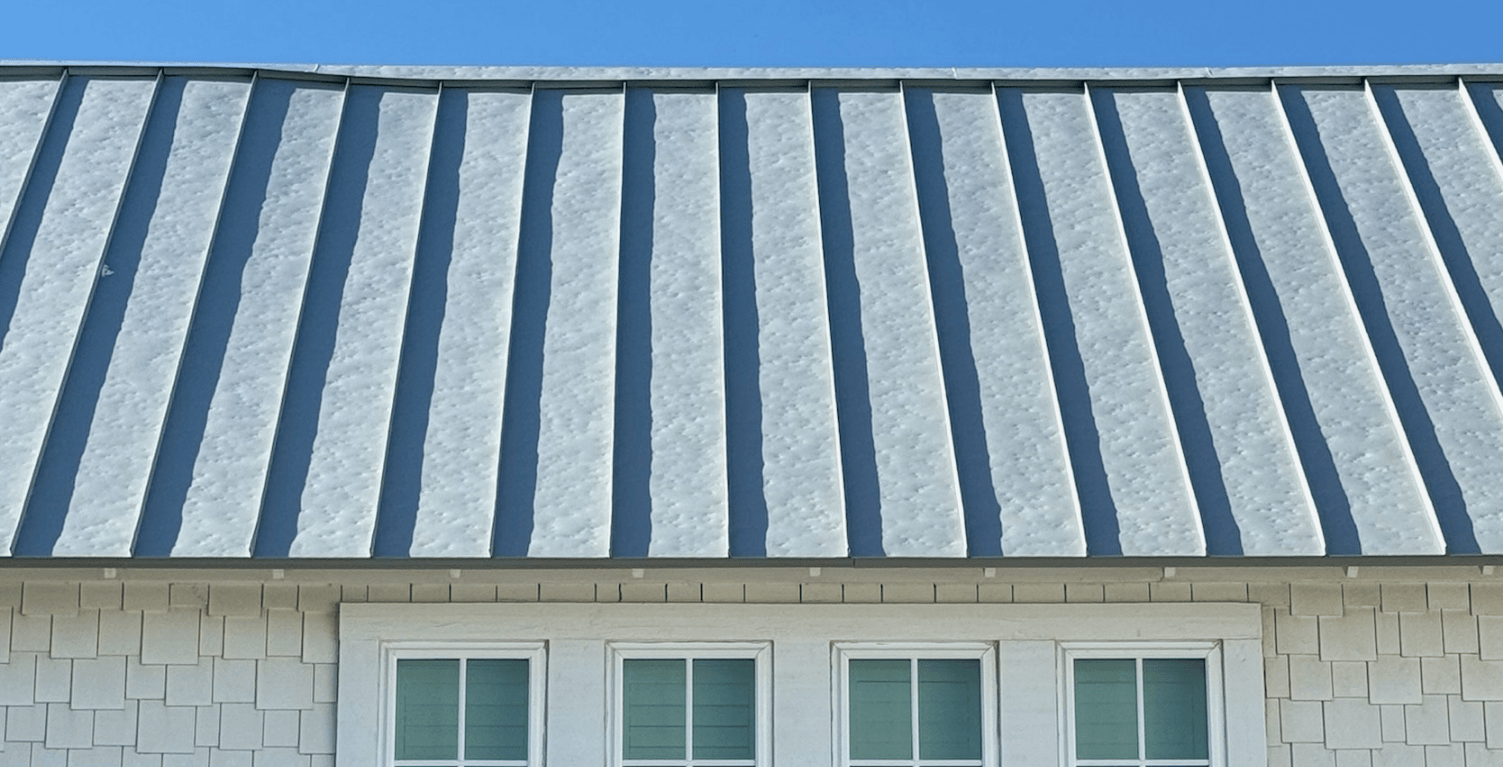
How Hail Damage Affects Your Roof—and What to Do Next
When a hailstorm rolls through a city, the first thing most homeowners think of is the property damage it causes, especially to their roof. Hailstorms can cause both immediate and delayed damage, weakening materials and shortening the lifespan of one’s roof. While we can’t stop hailstorms from happening, homeowners must understand how hail damage affects their roof and what steps to take afterward.
How Hail Damage Affects Your Roof
Depending on the severity of the storm, hail damage can affect your roof on various levels, especially if you have traditional asphalt shingles. Some of the most common effects of hail damage include:
- Bruised, cracked, or split shingles
- Granule loss exposing the underlying material
- Damage to flashing, vents, skylights, and roof penetrations
- Reduced waterproofing protection
In the case of light, quick storms, damage may be minimal or mostly cosmetic. Heavier storms, on the other hand, are more likely to cause extensive damage that requires immediate repair.
We want to caution that while hail damage may not always be immediately visible, it can lead to leaks or structural issues over time. Fortunately, professional inspections can help determine the extent of hail damage and whether repairs are needed.
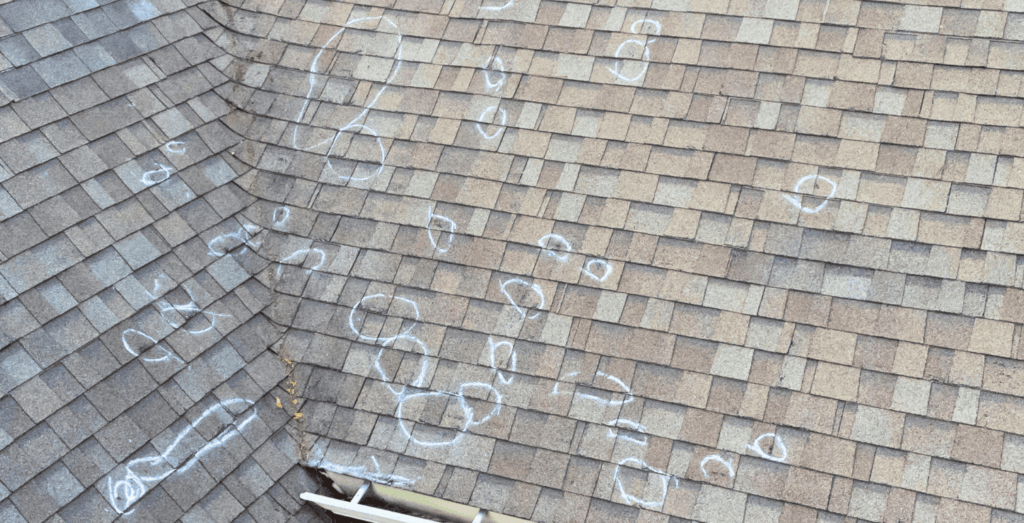
How to Spot Hail Damage at Ground Level
After a hailstorm, homeowners can identify signs of damage before climbing onto a roof. We suggest taking a look around your property, looking for:
- Dents in gutters or downspouts
- Damaged siding or window screens
- Dented outdoor furniture, HVAC units, or vehicles
- Hail accumulation marks in landscaping or soft surfaces
- Plants stripped of their leaves
- Protective granules collecting in downspout discharge points
If you see signs of any of these, there is a high probability that damage extends to your roof as well.
How to Spot Hail Damage on the Roof
If you are willing and able to get on your roof to inspect it, here are some common signs of hail damage to watch for.
- Circular or dark impact marks on shingles
- Divots in shingles
- Missing protective granules
- Cracked or fractured shingles
- Dents in roof vents, flashing, gutters, chimney caps, or metal components
- Damage to skylights
If you see any of these, we recommend calling for a professional inspection immediately to start repairs.
However, we want to note that without professional training, some damage may go unnoticed or be misclassified by the untrained eye. For example, UV degradation from the sun can often be mistaken for hail damage when both result in cracked shingles, affecting how insurance claims and warranties are processed. That is why it is always recommended to get a proper roofing inspection.
What to Do After a Hailstorm?
Quick action is key to preventing further damage, such as leaks, mold, and more extensive structural problems, after a hailstorm.
In the event that a hailstorm occurs at your property, you should:
- Conduct a visual inspection of your property
- Document visible hail damage with photos
- Schedule a professional roof inspection with a trusted company
- Address repairs quickly to prevent further problems.
If your home may have experienced hail damage, don’t wait for small problems to become costly repairs. Contact Precision Roofing Works today to schedule a professional roof inspection and ensure your home stays protected.