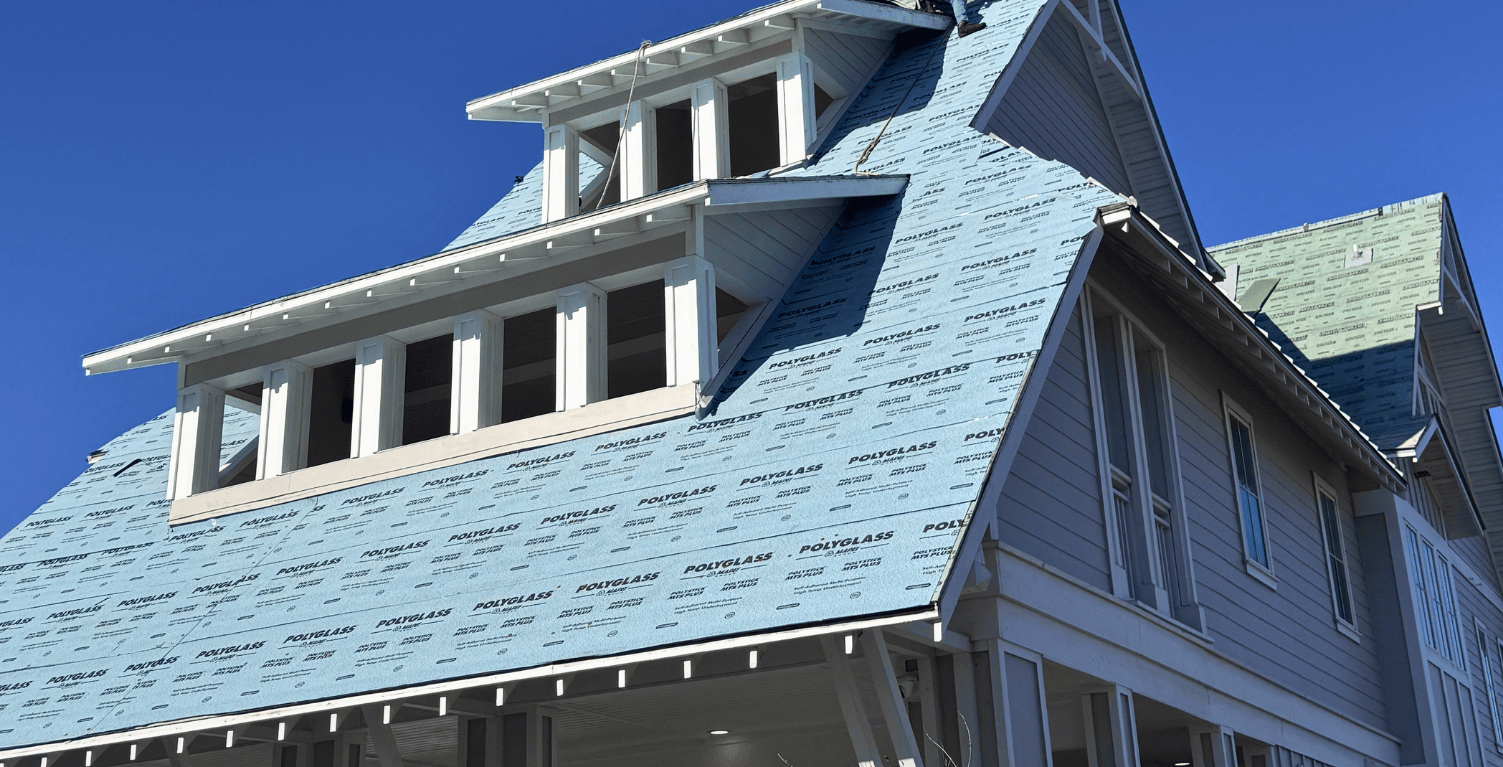
Understanding Your Roof Insurance Claim After a Storm
Experiencing a storm with enough magnitude to cause home damage can be incredibly stressful. Homeowners not only feel an urgent need to protect their homes and families, but they also face confusion about how to start repairs and return to normal life. A key factor of this will be navigating your roof insurance claim. To make this easier, we are going to share the step-by-step process of the insurance claim journey, key insurance terms you will encounter, and answer some common questions that often arise.
Step-by-Step: The Roof Insurance Claim Process
Step 1: Assess Damage Safely
After the storm passes, it is time to assess the damage safely. As a homeowner, perform a ground-level inspection for visible issues and document damage with photos and video.
Step 2: Schedule a Professional Inspection
To complete a roof insurance claim, you will need to provide detailed information, including a home inventory that describes the damage and its value. Getting a professional assessment from a trusted roofing company is a safe way to achieve this and support your roof insurance claim.
Step 3: Make Temporary Repairs
Depending on the severity of your damage, you may need to make temporary repairs to prevent further damage to your home. You will want to hire a professional roofing company, and be sure to save all receipts.
Step 4: Contact Your Insurer
Call your insurance company and report the incident. Your claims professional can outline the next steps, explain what your policy covers, and tell you how long you have to file a claim.
Step 5: Complete the Claim
Fill out your claim documents, providing pictures, videos, and the inspection document provided by your roofing assessment.
Step 6. Prepare for the Adjuster
The insurance adjuster’s job is to assess the damage and confirm details. Provide them with all your documents, and if they come out in person, it may be beneficial to have your roofing contractor present to explain the damage they have identified.
Step 7: Review Scope & Approval
After meeting the adjuster, they will provide a scope of work and an approval document. Review these details carefully and clarify what your policy covers versus what you must pay out of pocket.
Step 8: Complete Repairs
Work begins after approval. Ensure your chosen contractor aligns with the insurance scope and quality standards.
Key Roof Insurance Claim Terms Explained
Understanding the terminology used during the roof insurance claim process can help you avoid confusion and make an informed decision. Here are some common terms homeowners may encounter:
Actual Cash Value (ACV) vs. Replacement Cost Value (RCV):
ACV is the measure of the value of the insured property. ACV accounts for depreciation, meaning your payout reflects the current value of your roof based on its age and condition.
RCV, on the other hand, covers the full cost to replace your roof with similar materials at today’s prices, minus your deductible.
Open Peril vs. Named Peril:
Open Peril policies cover all causes of damage except those specifically excluded in your policy.
Whereas Named Peril policies only cover the risks explicitly listed, such as hail, wind, or fire. Understanding which type you have determines what damage qualifies for coverage.
Lines of Coverage:
Home insurance policies are divided into different coverage categories:
- Dwelling: Covers the main structure of your home, including the roof.
- Other Structures: Covers detached structures like garages, sheds, or fences.
- Personal Property: Covers belongings inside your home that may be affected by roof leaks or storm damage.
- Additional Living Expense (Loss of Use): Covers temporary housing and related costs if your home becomes uninhabitable during repairs.
Deductible:
This is the amount you are responsible for paying out of pocket before your insurance coverage kicks in. For example, it may be a flat rate, like $500, or it may be a percentage of the home’s insured value. Typically, that amount will be subtracted from your total claim payout.
FAQ: Roof Insurance Claims After a Storm
What type of roof damage is covered by insurance?
Most policies cover sudden, accidental damage from events like hail, wind, or storms. This does not include normal wear and tear or lack of maintenance. Always check your insurance policy to be fully aware of what’s included.
What happens if I have partial roof damage?
Insurance may cover repairs for the affected area, but matching materials or widespread issues may sometimes justify a full replacement. It is best to check your policy for a full explanation.
Does roof age affect insurance coverage?
Yes. Insurance companies may reduce payouts for older roofs (ACV instead of RCV) or exclude them from coverage, depending on the policy terms.
How long do I have to file a roof insurance claim?
Most policies require claims to be filed within a specific timeframe after the storm, often within 6–12 months.
Will filing a claim increase my insurance premium?
That depends. Storm-related claims are often considered “no-fault,” but multiple claims in a short period could impact rates.
How can I reduce my share of the costs?
Document damage quickly, get a detailed estimate from a trusted contractor to ensure all damage is properly reported, and consider discussing with your insurance provider whether certain roofing materials or features can be viewed as low-risk to minimize insurance premiums.
Get Expert Help with Your Roof Insurance Claim
Need a roof assessment after a storm? Don’t navigate your roof insurance claim alone. Get your free assessment with Precision Roofing Works today and ensure your home is fully protected.